
Oral cancer is one of the fastest-growing cancers in the U.S. and accounts for more than three percent of all new cancer diagnoses. Since November is Mouth Cancer Action Month, it's an ideal time to provide information on the causes, detection, symptoms, and treatments for oral cancer.
Mouth cancer is another name for oral cancer, and it occurs anywhere in the mouth, such as the tongue, the gums, the back of the throat, the cheeks, and the lips. Since it presents asymptomatically, there are virtually no signs of the disease until it has spread.
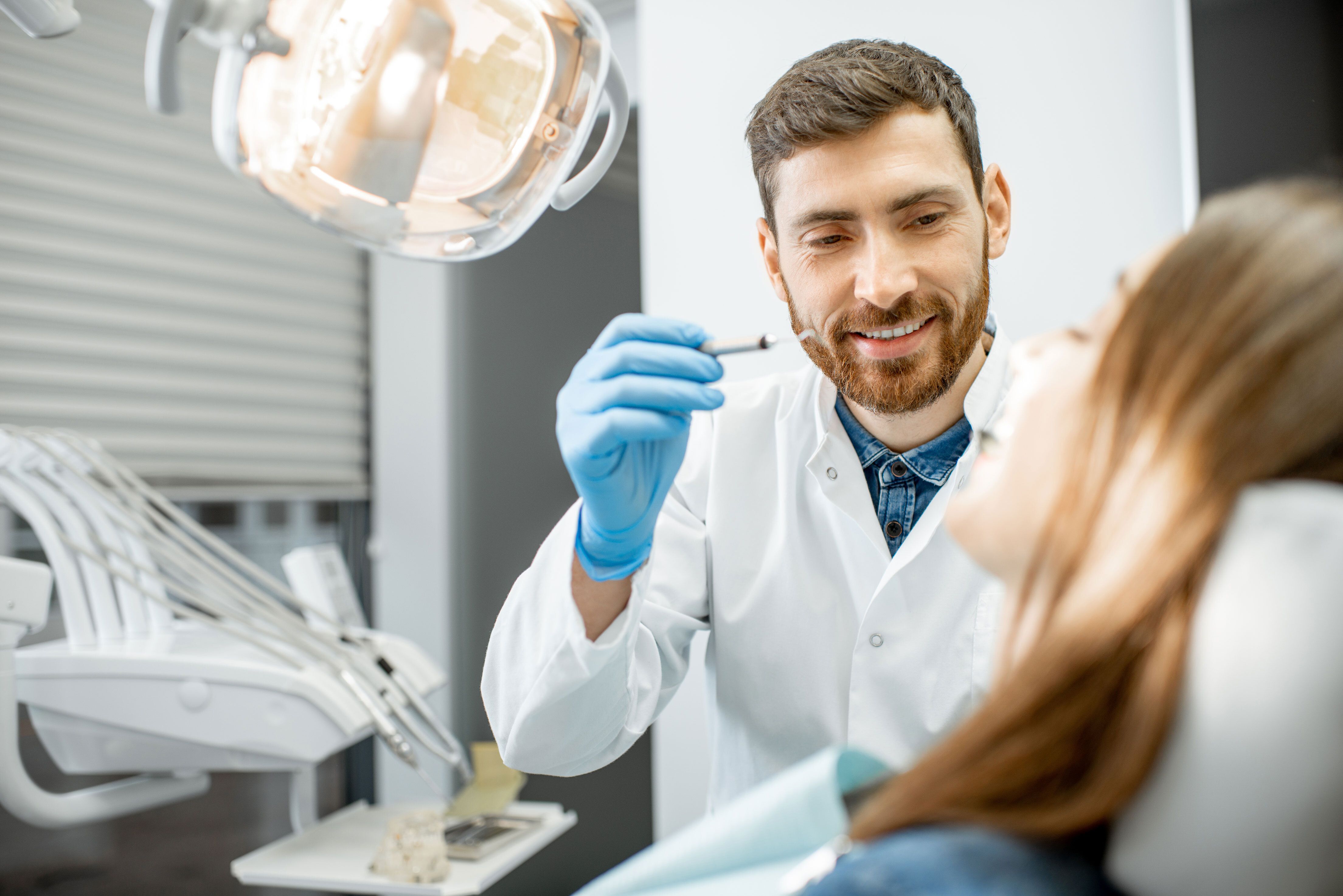
Early detection and treatment is the best method for preventing the spread of oral cancer. However, it can only be detected by a dentist, so we recommend that everyone 18 and older gets screened for oral cancer. During your annual dental exam is an excellent time to be screened. The procedure isn't painful or invasive. Your dentist will conduct the screening during your exam.
Usually, oral cancer appears without symptoms or warning. Only your dentist can detect its presence by palpating your cheeks, face, jaws, and tongue. However, if you notice any of the following, call our Florida office immediately to schedule an appointment:
Although these may not indicate the presence of mouth cancer, they are conditions that shouldn't be ignored, so give us a call. We suggest that if you're concerned about anything in your mouth, you contact our Florida office.
Oral cancer doesn't generally have a genetic component unless you have a first-degree relative who has it. A first-degree relative is a parent, child, or sibling. Otherwise, it's usually attributable to lifestyle habits, although there are instances where oral cancer develops with no discernible cause.
If you have the following lifestyle habits, though, you're more likely to develop oral cancer than if your lifestyle doesn't include them:
Alcohol
Regular, excessive consumption of alcohol is defined as drinking 21 or more alcoholic beverages weekly or three or more daily. Alcohol irritates the sensitive cheek tissues and makes them more likely to absorb any toxins in your mouth. The bloodstream carries the toxins throughout your body, where they can lodge in your organs and cause many types of diseases.
Tobacco
If you use any type of tobacco product, you're more likely to develop oral cancer. Those who both drink and smoke are at a sixfold higher risk of developing mouth cancer than those who don't. It doesn't matter what type of tobacco you use or whether you chew, dip, vape, use a pipe, or smoke cigarettes. The effect is the same, only the location of the cancer may vary.
Other Lifestyle Factors
Additional factors that can influence your propensity to develop mouth cancer include:
Although some risk factors are beyond your control, most of them are within your purview, so improving the ones you can may help offset those you can't change.
Early detection and treatment provide the best prognosis, so be sure to schedule an oral cancer screening at our Florida office if you haven't done so. Only your dentist can diagnose your mouth cancer. You won't be able to detect it. The procedure is painless, non-invasive, and doesn't take long, so call us today to schedule your oral cancer screening.
There's no standardized treatment for oral cancer because each case is unique. Treatment will depend on the size and location of the cancer, whether it has spread or is localized, and your overall health. Your treatment team will consist of your general dentist, an oncologist, and may also include a maxillofacial oral surgeon.
Your treatment team will discuss your treatment options with you as well as the prognosis. Treatment can be as simple as removing the cancerous tissues, or it can be more extensive and invasive. It depends on the age and size of the cancer. Early detection and treatment will minimize the extent of the treatment, so be sure to get regular dental exams in our Florida office. If you need to schedule an appointment, call us.
Although some of your risk factors, such as your age and birth gender, are beyond your control, many can be controlled. Controllable factors include:
Although these changes won't guarantee that you'll never develop oral cancer, they can reduce your likelihood of getting it.
Remember, early detection and treatment is the key to the best outcome, so don't ignore any unusual symptoms. Your overall health is directly linked to your oral health, so take advantage of November being Mouth Cancer Action Month to get your mouth and body as healthy as possible.
If you need to schedule an oral cancer screening or your yearly exam, then call Dental Associates of Florida at , and we can help you. We're among the best in the area, and we're sure you'll be happy with the dental service you receive.
Call our Florida office today. We look forward to speaking with you.